
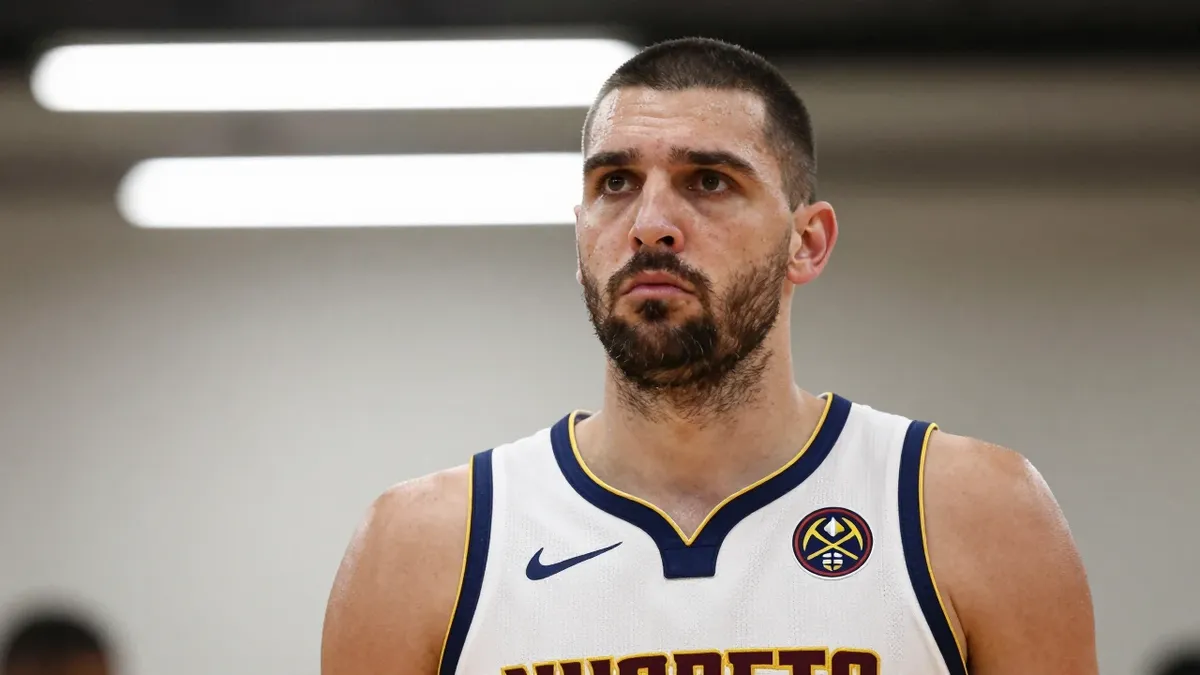
The Denver Nuggets are facing intense criticism after trading young wing Peyton Watson to the Cleveland Cavaliers in a three-team deal. The move, announced on Wednesday, sent Watson to Cleveland, Max Strus to the Los Angeles Clippers, and brought Denver an unprotected 2031 first-round pick and a 2032 second-round pick.
Why did the Denver Nuggets trade Peyton Watson?
Peyton Watson was a restricted free agent needing a new contract this offseason. The 23-year-old's market value exceeded what the Nuggets could pay under the NBA's salary cap and luxury tax rules. Denver's front office decided a trade was necessary to avoid severe financial penalties under the league's second apron. So, moving Watson was expected, but the return has become the central issue.
Fans and analysts argue the team could have managed the situation better. They suggest alternatives like paying Watson his reported $22 million and trading him or another player like Michael Porter Jr. Later. You can track the team's progress on our standings page.
What is the reaction to the Denver Nuggets' trade?
The reaction on social media has been overwhelmingly negative. NBA insider Kevin O'Connor called it an "awful return for Denver. Just straight up terrible." Many fans echoed this sentiment, criticizing the franchise's direction. One comment linked the perceived decline to the departure of former executive Tim Connelly, stating, "Denver went downhill the day they let Tim Connelly go."
Another fan questioned the ownership's spending, asking, "What's the point of billionaire money if you're not gonna spend it?" The consensus is that losing a promising young player for distant future draft capital is a significant misstep.
What does this mean for the Nuggets' future?
The trade directly impacts the Nuggets' wing depth and financial flexibility. Watson provided defensive versatility and athleticism on the perimeter. His departure creates a hole in the rotation that the current roster must fill. The acquired picks, especially Cleveland's unprotected 2031 first-rounder, are assets for future moves but offer no immediate help for a team in its championship window.
Denver's core, led by Nikola Jokic, remains elite. However, managing the supporting cast under a tight cap is an ongoing challenge. This trade will be judged by how those future picks are use. For now, it's seen as a loss. The team's immediate focus returns to the court. Check their upcoming schedule on our schedule page.
The Nuggets' front office had a difficult choice between a costly contract and a modest trade return. They chose the latter, and the backlash has been swift. While the financial rationale is clear, the value received for a player of Watson's potential is widely disputed. It's a move that could affect the franchise's trajectory for years.